How to Repair Your Skin Barrier After Whitening Cream Damage
Many people in Pakistan unknowingly damage their skin barrier by using whitening or steroid-based creams without medical guidance. If your skin has become red, sensitive, or prone to breakouts, your barrier may be compromised. This guide explains exactly what happens to your skin — and how to gently rebuild it step by step.
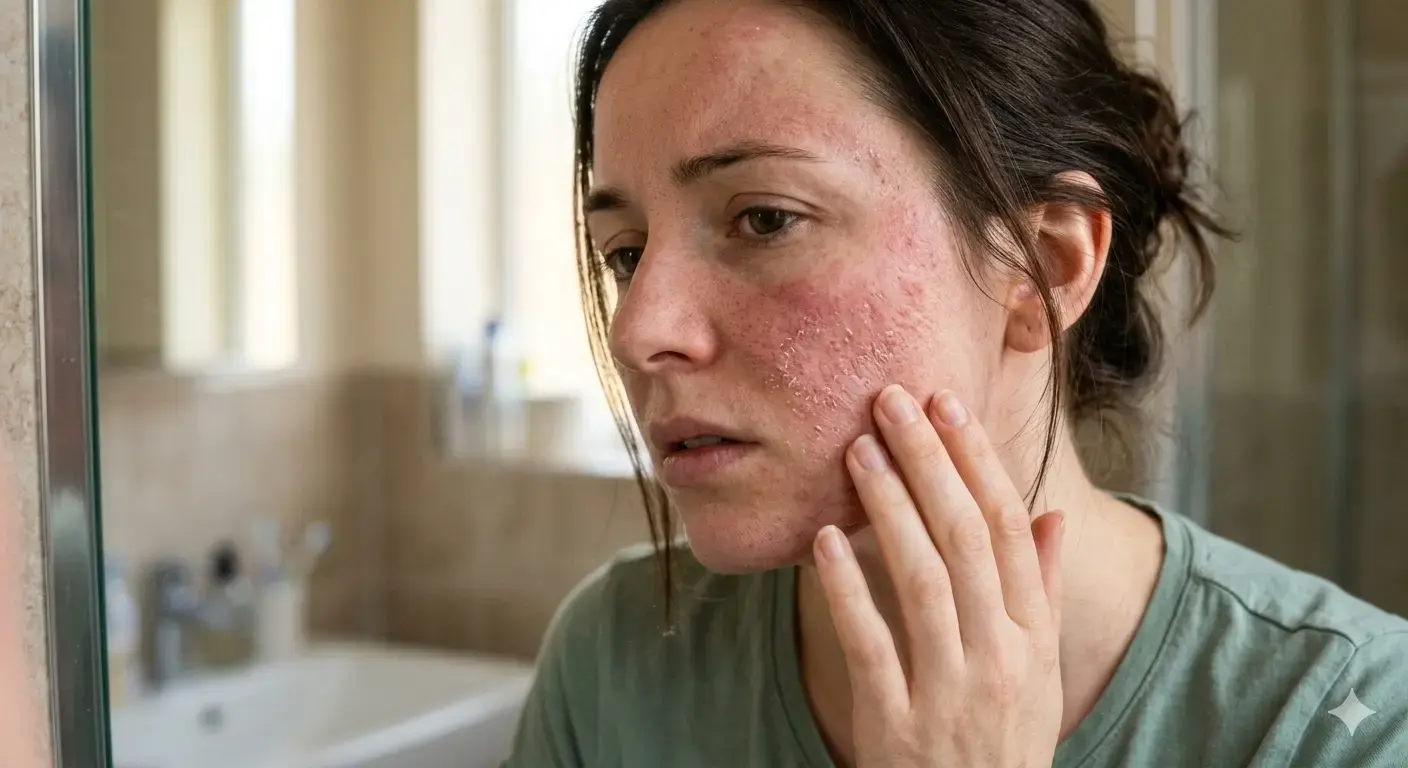
Skin brightening is one of the most talked-about topics in Pakistani beauty culture. From local bazaars to online stores, whitening creams are everywhere — promising fairer skin in days. But what many users don't realise until it's too late is that a number of these creams contain potent steroids, mercury, or high-concentration acids that silently strip away the skin's most important defence system: the skin barrier.
If your skin has become unusually sensitive, red, or reactive after using a whitening or lightening product, this post is for you. We'll explain what's happening beneath the surface — and walk you through a science-backed, Pakistan-friendly routine to help your skin recover.
Best Face Wash for Acne-Prone Sensitive Skin in Pakistan – Complete Buying Guide
What Is the Skin Barrier — And Why Does It Matter?
Your skin barrier (technically the stratum corneum) is the outermost layer of your skin. Think of it as a protective brick wall made of skin cells held together by natural lipids (fats). It keeps moisture locked in and harmful pollutants, bacteria, and UV radiation locked out.
When the skin barrier is healthy, your skin looks plump, calm, and even-toned. When it's damaged, the wall develops microscopic cracks — allowing irritants in and moisture to escape. The result? Chronic sensitivity, redness, and a skin that feels perpetually inflamed.
According to the American Academy of Dermatology (AAD), a compromised skin barrier is one of the leading causes of long-term skin sensitivity and conditions like eczema and rosacea.
How Do Whitening and Steroid Creams Damage the Skin Barrier?
Not all whitening creams are harmful — but many widely used products in Pakistan, particularly those sold without prescriptions, contain ingredients that cause significant barrier damage over time.
1. Topical Steroids (Corticosteroids)
Steroids like betamethasone or clobetasol are sometimes added to whitening creams to create the appearance of lighter, smoother skin quickly. With prolonged use, they thin the skin, suppress the immune response, and disrupt the lipid matrix of the skin barrier. Stopping them abruptly can trigger topical steroid withdrawal (TSW) — a painful, reactive condition.
2. Mercury-Based Compounds
Despite being banned internationally, mercury is still found in some unregulated fairness creams available in Pakistan. Mercury disrupts melanin production but simultaneously causes toxic damage to skin cells, weakening the barrier from within.
3. Hydroquinone (in high concentrations)
While hydroquinone is a legitimate depigmentation ingredient when used under medical supervision, OTC creams with unregulated concentrations can cause skin irritation and, paradoxically, a condition called ochronosis — dark, thickened skin patches.
4. Harsh Exfoliants and Bleaching Agents
Some whitening creams include undisclosed AHAs, BHAs, or bleaching agents that cause rapid cell turnover — disrupting the skin's natural regeneration cycle and leaving it raw, reactive, and stripped of protective oils.
Common Symptoms of Whitening Cream Skin Barrier Damage
Recognising the signs early is the first step toward recovery. Here are the most common symptoms seen in Pakistani patients with barrier-damaged skin:
- Persistent redness or flushing — skin that looks or feels hot, especially after washing
- Burning or stinging sensation — even from gentle products like water or moisturiser
- Tight, dry, flaky skin — skin that feels parched no matter how much you moisturise
- Sudden acne or breakouts — especially if your skin was previously clear
- Increased sensitivity to sunlight — darkening, burning, or itching after brief sun exposure
- Uneven texture or rough patches — skin that feels sandpaper-like in some areas
- Rebound darkening — skin becomes darker than before after stopping the cream
Step-by-Step Skin Barrier Repair Routine for Pakistan
Repairing your skin barrier is not about adding more products — it's about simplifying your routine and giving your skin the right environment to heal. Here's a structured, dermatology-inspired routine designed for Pakistan's warm, humid-to-arid climate.
Step 1: Stop All Damaging Products — Immediately
The most important step is the simplest. Stop using the whitening cream that caused the damage. Do not attempt to gradually taper — remove it from your routine entirely. Also pause all exfoliants (scrubs, AHAs, BHAs), retinols, and alcohol-based toners during the recovery phase.
Step 2: Switch to a Barrier-Safe Cleanser
Most cleansers — including popular Pakistani soap bars — are far too harsh for compromised skin. You need a pH-balanced, fragrance-free, sulfate-free cleanser that cleans without stripping.
Step 3: Apply a Ceramide-Rich Moisturiser
Ceramides are the natural lipids that form the "mortar" in your skin's brick-wall structure. After barrier damage, ceramide levels drop significantly. Look for moisturisers containing ceramides, niacinamide (low concentration, 2–5%), and hyaluronic acid. Apply while skin is still slightly damp to seal in moisture.
Step 4: Sun Protection — Non-Negotiable in Pakistan
Pakistan's UV index regularly exceeds 10 — among the highest in the world. Damaged skin is hyper-sensitive to UV radiation, meaning sun exposure can worsen inflammation and trigger post-inflammatory hyperpigmentation (PIH). Use a mineral sunscreen (zinc oxide or titanium dioxide) of SPF 30+ every morning, even on cloudy days or when staying indoors near windows.
Avoid chemical sunscreens (like oxybenzone) during recovery — they can further irritate a compromised barrier.
Step 5: Adjust for Pakistan's Climate Zones
Pakistan's climate varies enormously — from the humid heat of Karachi to the dry, cold winters of Lahore and Islamabad. During recovery:
- Hot & humid weather (Karachi, coastal areas): Use lighter, gel-based moisturisers. Avoid heavy occlusive creams that can trap sweat and cause miliaria (heat rash).
- Dry & arid weather (Interior Sindh, Balochistan, winter Punjab): Layer a hyaluronic acid serum beneath a richer ceramide cream. Air conditioning and heating both deplete skin moisture rapidly.
Step 6: Hydrate and Support from Within
Skin barrier repair is not just topical. Drink at least 8–10 glasses of water daily, increase your intake of omega-3 fatty acids (found in fish, flaxseed, and walnuts — all accessible in Pakistani diets), and reduce your sugar intake, which can worsen skin inflammation.
How Long Does Skin Barrier Repair Take?
Recovery depends on the extent of damage and how long the harmful cream was used. In general:
- Mild damage: 2–4 weeks of a consistent gentle routine
- Moderate damage: 4–8 weeks
- Steroid-induced damage or TSW: Several months — professional dermatological guidance is strongly recommended
Consistency is everything. Do not introduce new products before the 4-week mark. Resist the urge to try other brightening serums or masks during this window — your skin needs rest, not stimulation.
The AAD's guidance on restoring the skin barrier emphasises that simplicity — fewer, gentler products — consistently outperforms complex multi-step routines during the healing phase.
Frequently Asked Questions
Q1: Can I still use a whitening or brightening product while repairing my skin barrier?
No — not during the active recovery phase. Even gentle brightening ingredients like vitamin C can be too stimulating for a compromised barrier. Wait until your skin has been stable and symptom-free for at least 4 weeks before reintroducing any active ingredients, and always do so under dermatological guidance.
Q2: My skin is getting darker after stopping the cream. Is this normal?
Yes — this is called rebound hyperpigmentation and is very common after stopping steroid-based whitening creams. The artificial lightening effect fades and inflammation causes temporary darkening. Do not be alarmed and do not restart the cream. With consistent sun protection and barrier repair, your skin tone will normalise over time.
Q3: Which ingredients should I completely avoid during skin barrier recovery?
Avoid: alcohol (denat.), fragrance/parfum, essential oils, high-concentration vitamin C, retinol/retinoids, AHAs (glycolic, lactic acid), BHAs (salicylic acid), physical scrubs, and any product labelled "exfoliating" or "brightening." Keep your routine to cleanser, moisturiser, and sunscreen only.
Q4: Is it safe to use KELVS Gentle Cleanser on very sensitive or reactive skin?
Yes. KELVS Gentle Cleanser is formulated for exactly this purpose — sensitive and barrier-damaged skin. It is free from harsh sulfates and synthetic fragrances that typically aggravate reactive skin. Start with one wash per day and build to twice daily as tolerated.
Q5: Can men use these products and follow this routine?
Absolutely. Skin barrier damage from whitening creams is not gender-specific. The repair routine outlined here applies equally to men and women. In fact, men in Pakistan who use "fairness" or "whitening" face creams sold in chemist shops are equally at risk of steroid-related barrier damage.
Q6: When should I see a dermatologist instead of self-treating?
Seek professional help if you experience: skin thinning or visible blood vessels, oozing or weeping skin, widespread redness (beyond the face), symptoms that do not improve after 4–6 weeks of a gentle routine, or if you suspect you used a product containing mercury or unlabelled steroids. Early professional intervention dramatically improves recovery outcomes.
A Note on Whitening Culture in Pakistan
We understand that the desire for lighter skin in Pakistan is deeply tied to social and cultural pressures — not personal vanity. This article is not about judging anyone's skincare choices. It's about ensuring that whatever path you choose, you have the right information to protect your skin's long-term health.
Your skin is doing extraordinary work every day. Give it the gentleness and care it deserves — especially when it's healing.
Disclaimer: This blog post is for educational purposes only and does not constitute medical advice. If you are experiencing severe skin reactions, please consult a qualified dermatologist.